
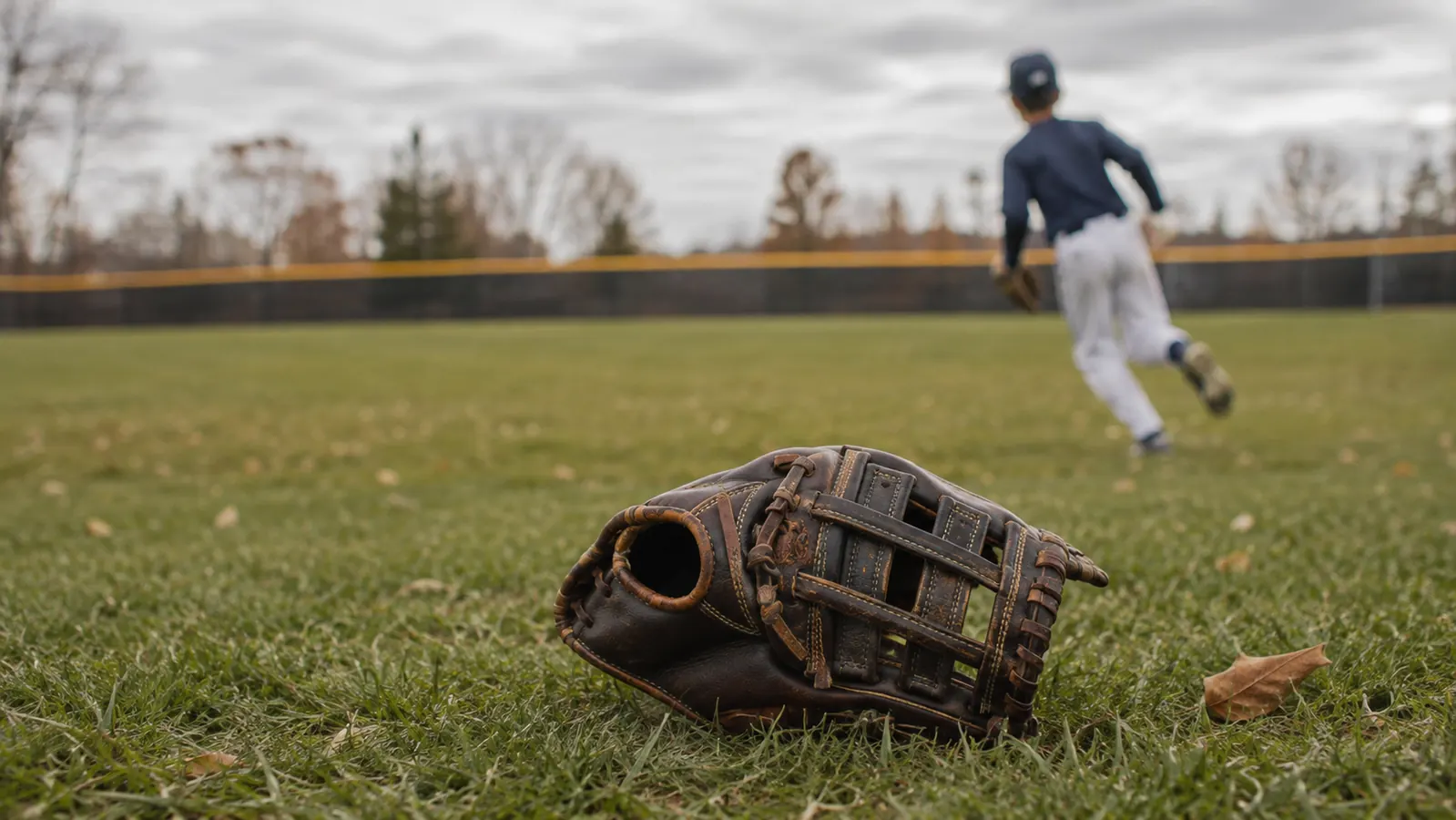
My A2000 is the H12 pattern, a 12.5-inch H-web built for outfield work, and it's the most money I've ever put into a single piece of gear I use to play a game with grown adults on Sunday afternoons. I bought it late in September, ran it through a full fall ball season, kept it in rotation for an indoor cage league over the winter, and it's now six weeks into a spring season with a coed rec team out of a sports complex in the Twin Cities suburbs. That's a little over seven months and somewhere around 45 outings between games, cage work, and long-toss in the backyard with my son. Wilson prices this glove close to $250, and that number is the actual subject of this review. Not whether the leather is nice. It is. The question that matters is whether spending that much on a glove makes sense for the person reading this, and for a good chunk of readers, I don't think it does.
I've read the glowing reviews. I've also watched two guys on my own team spend real money on gloves they use eight times a season before switching back to whatever was sitting in their bag before. This is the review I wish someone had written before I bought mine: not a hype piece, and not a takedown, just an honest account of where the price holds up and where you're paying for a name.
The Quick Verdict
A well-made glove that plays exactly as advertised on the field. The price only makes sense if your usage matches mine, and for a lot of buyers it won't.
Amazon Check Today's Price →Still weighing whether a glove this expensive is worth it?
Before you talk yourself out of it or into it, see what it actually costs today and how it's currently stocked. The math changes depending on how many seasons you plan to get out of it.
Amazon Check Today's Price on Amazon →How I've Used It
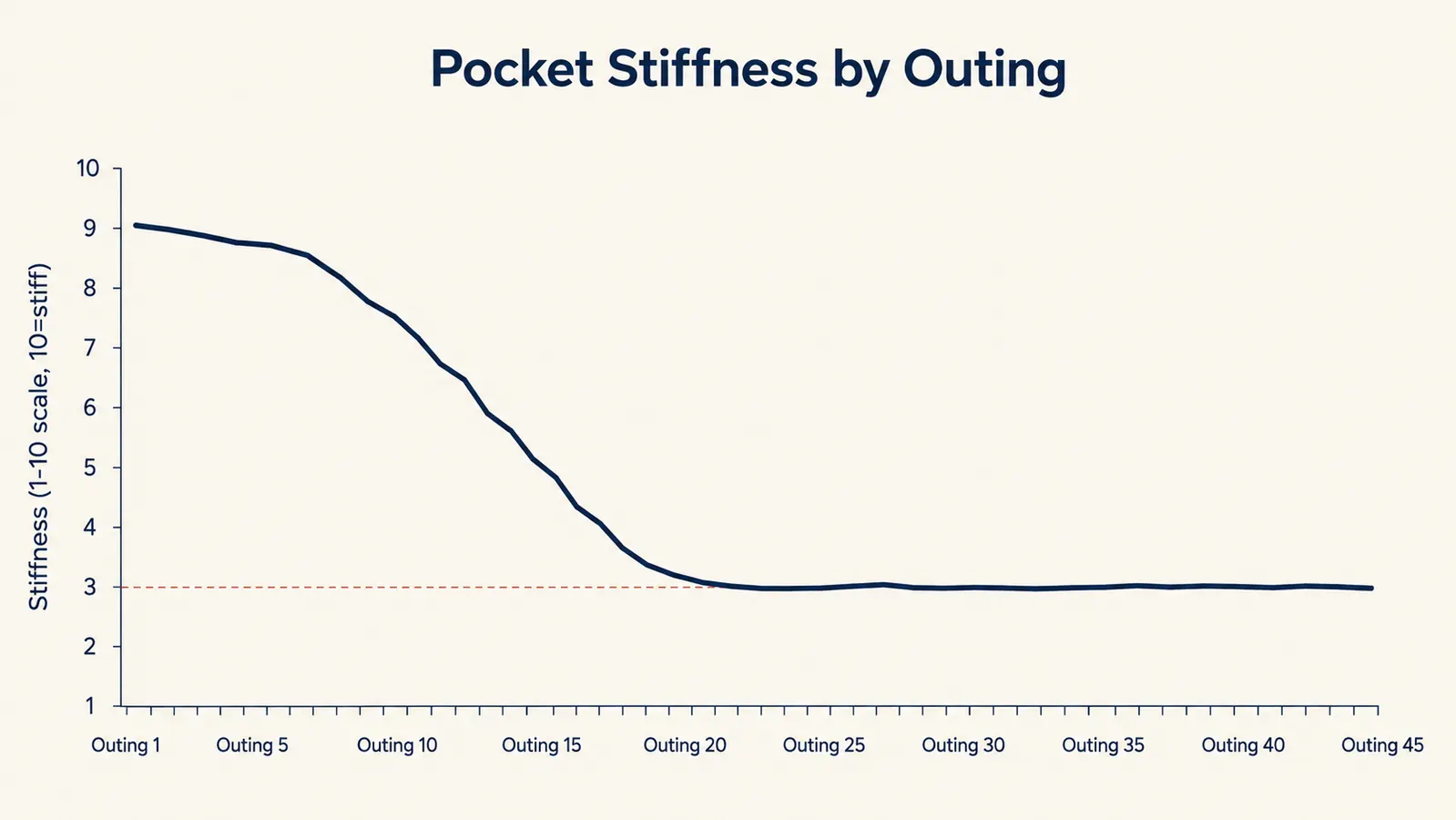
Instead of the sock-and-ball routine a lot of infield guys swear by, I had this one steamed and shaped at a shop near my house the week I bought it, then played catch with it every evening for about two weeks before I trusted it in a scrimmage. The H12 pattern is deep by design, since outfield gloves need that extra web depth to snow-cone a ball on the run, and a deep pocket takes longer to trust than a shallow infield pattern does. Fall ball started with the glove still a little stiff at the base of the fingers, and I dropped exactly one ball in an early scrimmage that I'm fairly sure a fully broken-in glove would have held.
By outing fifteen or so, that stiffness was gone and the pocket had a shape I recognized as mine instead of the factory fold. I started keeping a running photo log on my phone instead of writing anything down, just a shot of the pocket every few weeks to track how the leather darkened and the crease deepened. Looking back through those photos now, the biggest visible change happened between outing ten and outing twenty, and not much has moved since.
The winter cage league was the real stress test I didn't plan for. Indoor reps came at me fast and close, off a pitching machine cranked up higher than most live arms in our rec league, and the shorter reaction window exposed any stiffness left in the fingers immediately. It handled that fine. What it didn't handle as well was a stretch of cold early-spring practices where the leather stiffened up noticeably in temperatures under 40 degrees, enough that I started warming it under my jacket between reps instead of leaving it sitting on the bench.
The Price Tag: An Honest Look
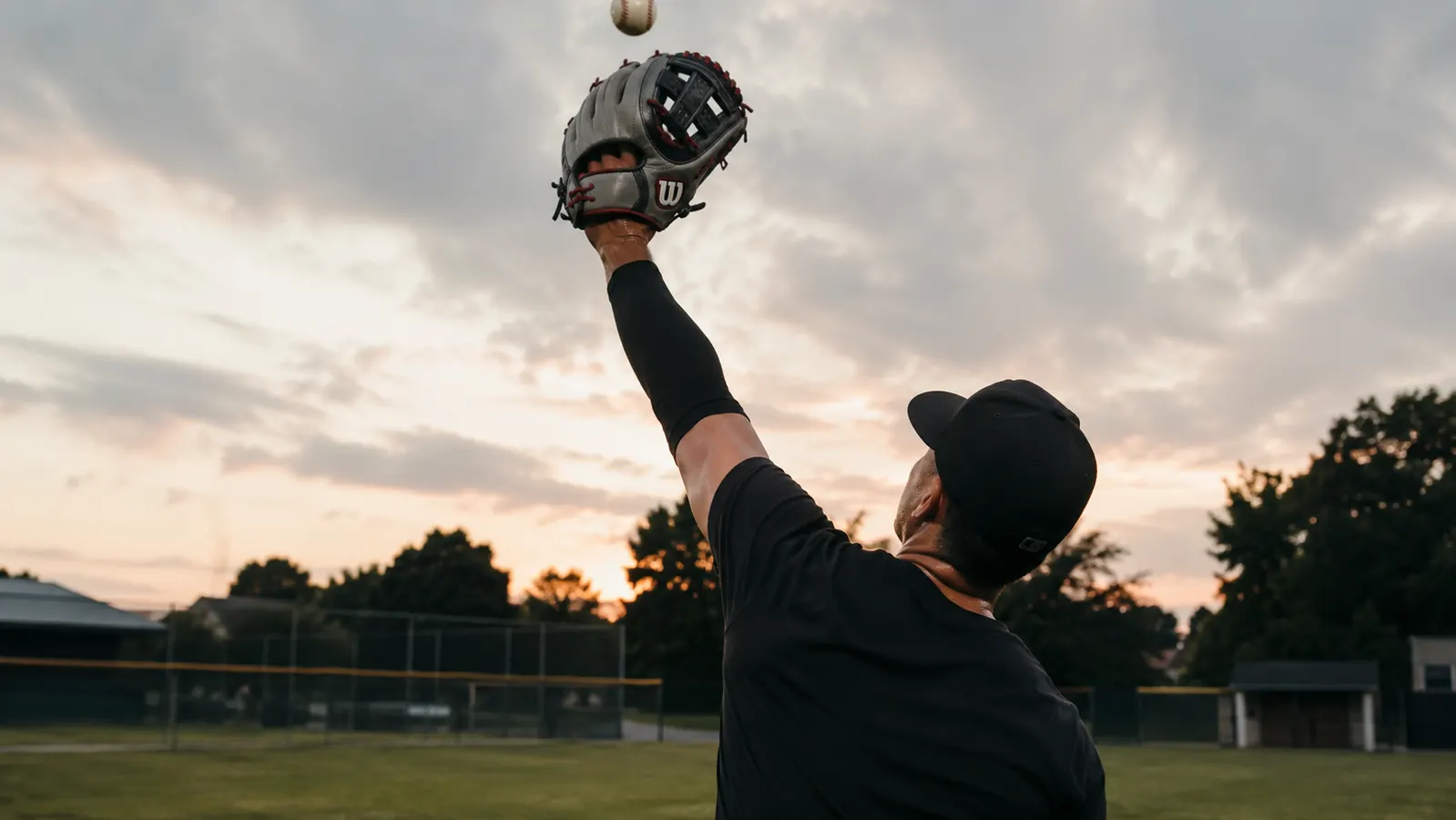
Let's talk about the number, because that's the actual reason you're reading a review with 'honest' in the title instead of just clicking buy. Wilson's Pro Stock leather is genuinely good material, and I can feel the difference between this glove and the $90 mesh-back outfield glove it replaced, which had a web that blew out after two summers of catching fly balls in direct sun. But I don't think the difference in material cost is anywhere near the difference in retail price. Some of what you're paying for here is the A2000 name, decades of pro-level association, and the resale value that comes with it, not only the leather in your hand.
I don't say that as a knock. Plenty of things we buy carry a brand premium on top of raw materials, and that premium sometimes buys real things too, like a stitching and quality-control process I've never once had to think about. In seven months I've had zero lace failures and zero seam issues, which is more than I can say about the $90 glove before it. But if you're deciding purely on a materials-and-durability spreadsheet, you could probably get most of this glove's durability for a lot less than all of its price.
The other honest piece is depreciation. A well-kept A2000 tends to hold resale value better than most mid-tier gloves, so if you outgrow it, switch positions, or just want to sell it down the road, you'll likely recover more of what you spent than you would on a cheaper glove. That's a real number, even if nobody selling you the glove new ever brings it up.
Run the numbers a different way and the math looks better than the sticker price alone suggests. Divide today's roughly $250 price by the 45 outings I've gotten out of it so far and you land under $6 an outing, and that number only drops the longer I keep using it. Divide the $90 mesh-back glove by the two seasons before it needed replacing, somewhere around 70 total outings, and you're closer to $1.30 an outing, which sounds like the cheap glove wins outright until you remember it also failed at exactly the moment it mattered, mid-play, with a torn web. Cost per outing isn't the whole argument, but it's a more honest way to think about the price than staring at the total number on the tag.
Where It Falls Short, the Part Nobody Selling You One Mentions
The H-web on this outfield pattern is excellent for tracking fly balls and getting good depth on a running catch, but it caught the ball wrong on two low, sinking line drives early in the season, the kind where you need a shallower pocket to scoop rather than snow-cone. That's a pattern tradeoff more than a flaw, but nobody selling you an A2000 outfield glove tells you there's a shot selection you'll need to unlearn if you're coming from a shallower glove.
The wrist strap is laced leather instead of a quick-adjust closure, which looks and feels premium right up until you need to loosen or tighten it between innings with cold hands, which happened to me more than once during that early spring cold stretch. A cheaper glove with a simple strap closure is genuinely more convenient in that one specific moment, full stop.
And the lacing, while it's held up fine on mine, isn't invincible just because the leather is expensive. My nephew plays lefty and borrowed an older A2000 of mine for a tournament weekend last year. He came back with a re-laced web after a hard fielding play popped a lace loose, courtesy of the shop I use for that kind of work. Premium leather doesn't mean the lacing around it is immune to a bad angle on a hard-hit ball. It just means the leather itself is less likely to be the point of failure.
Last thing: at 12.5 inches with Pro Stock leather, this glove has real heft. On a Sunday doubleheader, my glove hand felt it by the second game in a way it never did with the lighter mesh-back glove I used before. If you're playing a position that covers a lot of ground for nine innings twice in a day, that weight is a real cost, not just a spec on a page.
What Maintenance Actually Takes
Nobody mentions in the marketing copy that owning a nice leather glove is a small ongoing chore, not a one-time purchase. I condition mine about once a month during the season with a light coat of glove oil worked into the pocket and the back of the fingers, and I wipe it down with a dry rag after any game where it got rained on or sweated through. That's maybe ten minutes a month, which isn't a lot, but it's ten minutes a month the $90 mesh-back glove never asked me for. If you're not the type who'll actually do that, the leather will still function, it just won't age as well as mine has.
Storage matters more than I expected too. I keep a shape retainer in the pocket between outings so it doesn't fold itself the wrong direction in my bag, and I never leave it sitting in a hot car, which is an easy habit to break during a long tournament weekend when the bag just goes wherever the trunk has room. None of this is hard. It's just more attention than a synthetic glove needs, and it's worth knowing that going in rather than discovering it after you've already spent the money.
How It Stacks Up Against the Gloves I've Actually Owned and Watched Teammates Use
The direct comparison I have the most data on is the $90 mesh-back glove I used for two summers before this one. That glove was lighter, broke in almost immediately, and cost a fraction of the Wilson A2000. It also had a web that tore at the seam in its second summer and a pocket that had gone noticeably floppy by the time I retired it. Cheap gloves aren't bad gloves. They're built for a shorter useful life, and if you know you're only going to play one or two more seasons, that shorter life might be exactly the right trade.
One of my outfield teammates plays a Mizuno Pro Select, a similar price point to the A2000 with comparable leather quality. His glove broke in noticeably faster than mine did, by his account closer to a week of steady use rather than my two to three, though I haven't put my own hands on his glove through a full season to verify that firsthand. If you're cross-shopping at this price tier, that's a real alternative worth looking at rather than assuming the A2000 name is automatically the better pick.
What I haven't found in this price range is a glove dramatically better than the A2000 at the actual job of catching the ball. Once broken in, the differences between the serious leather gloves at this tier come down to preference on web style, weight distribution, and how the wrist strap feels, not some clear performance gap. The gap that actually matters is between cheap gloves and this whole tier, not between the A2000 and its direct competitors.
What I Liked
- Zero lace or seam failures across roughly 45 outings over seven months
- Pocket held its broken-in shape through an indoor winter league and a full spring start
- Leather resists the mid-season collapse a mesh-back glove shows by its second summer
- Likely holds resale value better than a mid-tier synthetic or hybrid glove
- H-web pattern tracks fly balls and running catches noticeably well once broken in
Where It Falls Short
- The H-web pattern struggles on low, sinking line drives that need a shallower scoop
- Laced wrist strap is slower to adjust with cold hands than a simpler closure
- Real weight in the hand over a doubleheader, more than a mesh-back glove
- Stiffens noticeably in cold early-season temperatures under 40 degrees
- Price only pays off across multiple seasons of steady use, not a single summer
The leather never let me down on a ball I got to in time. It just cost more to find that out.

Who This Is For
This glove makes sense for an outfielder who's going to play through multiple seasons, whether that's an adult rec player like me who isn't switching positions or leagues anytime soon, or a serious high school or travel player who's locked into outfield for the foreseeable future. It also makes sense if you've already burned through one or two cheaper gloves and are tired of a pocket that goes soft by the second summer. The resale value argument matters too. If there's a real chance you'll sell this glove in a few years rather than let it sit in a closet, the A2000 name helps you recover more of what you spent than a generic hybrid glove would.
Who Should Skip It
Skip this if you're not sure outfield is your long-term position, if you're buying for a kid who's going to need a bigger glove in a year or two anyway, or if you play once a week for a casual summer league and don't have the patience for a few weeks of stiff-fingered catches before it feels right. I'd also skip it if cold weather is a big part of your season. A synthetic or SuperSkin glove doesn't stiffen up the same way in low temperatures, and that convenience is worth more than premium leather to a lot of players. And if a strap you can adjust in three seconds between innings matters more to you than a laced one that looks better, that's a legitimate reason to spend less and buy something else.
Seven months in, I'd still buy the same glove again.
If your usage looks like mine, multiple seasons, real outfield reps, and you're willing to trade a few stiff weeks for years of a pocket that holds its shape, it's worth seeing what it costs today before that changes.
Amazon Check Today's Price on Amazon →